My Cart: 0 item(s)

Alpine Dryers Blog
Wet Feet in Cold Weather: Why Damp Boots Are a Safety Issue
by bruce golub • October 14, 2026
Your boots feel dry. They're not.
Active feet perspire roughly one cup of water per day, and every bit of it ends up in your boots. Add one wet commute or one slushy job site, and you're starting tomorrow in yesterday's moisture.
That's not a comfort problem. That's a safety problem.
Outdoor and construction workers spend hours on their feet in cold, wet conditions with no chance to change boots mid-shift. Hunters and hikers sit still, which means cold feet get colder fast. Parents and commuters walk through the first slush of the year and wonder why their feet stay cold all day.
Why Wet Boots Steal Heat So Fast
Water conducts heat far faster than air. According to the CDC's NIOSH, wet feet lose heat about 25 times faster than dry feet, which is why a damp boot feels so much colder than a dry one at the same temperature. Insulation only works when it's full of air. Fill it with water and it becomes a heat sink.
Prolonged cold, wet exposure can lead to serious foot injuries such as trench foot, which NIOSH describes in its guide to cold-related illnesses in workers, and even before that point, numb, cold feet slow your reaction time and make slips more likely. That's the real cost of starting the day in damp boots.
Why Boots Don't Dry on Their Own
Left to air dry, heavy boots can take 24 to 48 hours. If you wear the same pair tomorrow, they never finish. A boot dryer that moves airflow directly into each boot, rather than heating the room around it, removes the moisture from the inside where it actually sits. Our look at how wet boots end hunts early shows the same mechanism at work in the field.
A Daily Routine That Works
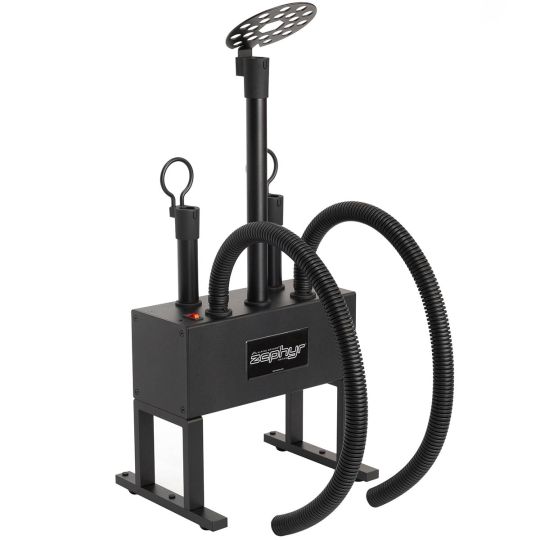
Knock off mud and pull the insoles when you get home. Put boots and gloves on the dryer before dinner, not after. Use a timer so the cycle finishes before you need them. For families, the Black Diamond Series handles several pairs at once, and the Zephyr Series adds helmets and gloves to a compact setup. If you want the dollar math behind replacing gear early, see what wet gear actually costs you.
What Else Helps Besides a Dryer
Wool or synthetic socks hold less water than cotton and keep insulating when damp. A spare pair of socks in your bag lets you change mid-day when your feet get wet. Boots that fit with room for one sock layer keep circulation open, since tight boots restrict blood flow and make cold feet worse. None of these replace starting the day with dry boots, but together they close the gaps a dryer can't, like a stream crossing at noon.
Best for: anyone who wears the same boots day after day in cold or wet conditions, from job sites to hunting blinds to school pickup.
Skip it if: you rotate between several pairs and each one gets a full two days of air drying before you wear it again.
Frequently Asked Questions
Why do wet boots make your feet so cold?
Water conducts heat away from your body about 25 times faster than dry air, per CDC NIOSH guidance. Wet insulation stops insulating and starts pulling warmth from your feet.
Can wet boots cause trench foot?
Prolonged exposure to cold, wet conditions can cause trench foot. Keeping boots dry between uses is one of the simplest ways to reduce that risk.
How long does it take boots to dry naturally?
Heavy boots commonly need 24 to 48 hours to air dry, which is longer than most people go between wears.
How much do feet sweat in a day?
Active feet perspire approximately one cup of water per day, and most of it ends up trapped in your boots and socks.
Is it safe to dry boots on a heater or radiator?
No. Direct heat can crack leather and damage adhesives. Directed airflow with controlled, ambient-rise warmth is gentler on boots.
How long should boots stay on a boot dryer?
Most boots dry in 3 to 8 hours depending on how wet they are. A timer lets you set the cycle and walk away.
Do gloves and helmets need drying too?
Yes. Wet gloves cost you hand warmth the same way wet boots cost you foot warmth, and damp helmet liners hold bacteria.
Next Steps
Dry feet are the cheapest cold-weather safety upgrade there is. Browse the full Alpine Dryers lineup to find the right size for your household or crew, or contact us and we'll point you in the right direction.
Disclaimer: This post is general information, not medical advice. If you have numbness, discoloration, or pain in your feet after cold exposure, consult a healthcare provider. Always follow your boot manufacturer's care instructions.
Related Posts and Information
overall rating:
my rating:
log in to rate