My Cart: 0 item(s)

Alpine Dryers Blog
Turnout Gear Dryers for Fire, EMS, and Government Facilities
by bruce golub • October 06, 2026
The tones drop at 2 a.m. Your gear is still wet from the last call.
That's not an inconvenience. It's a protection gap, and it's one a proper turnout gear dryer closes.
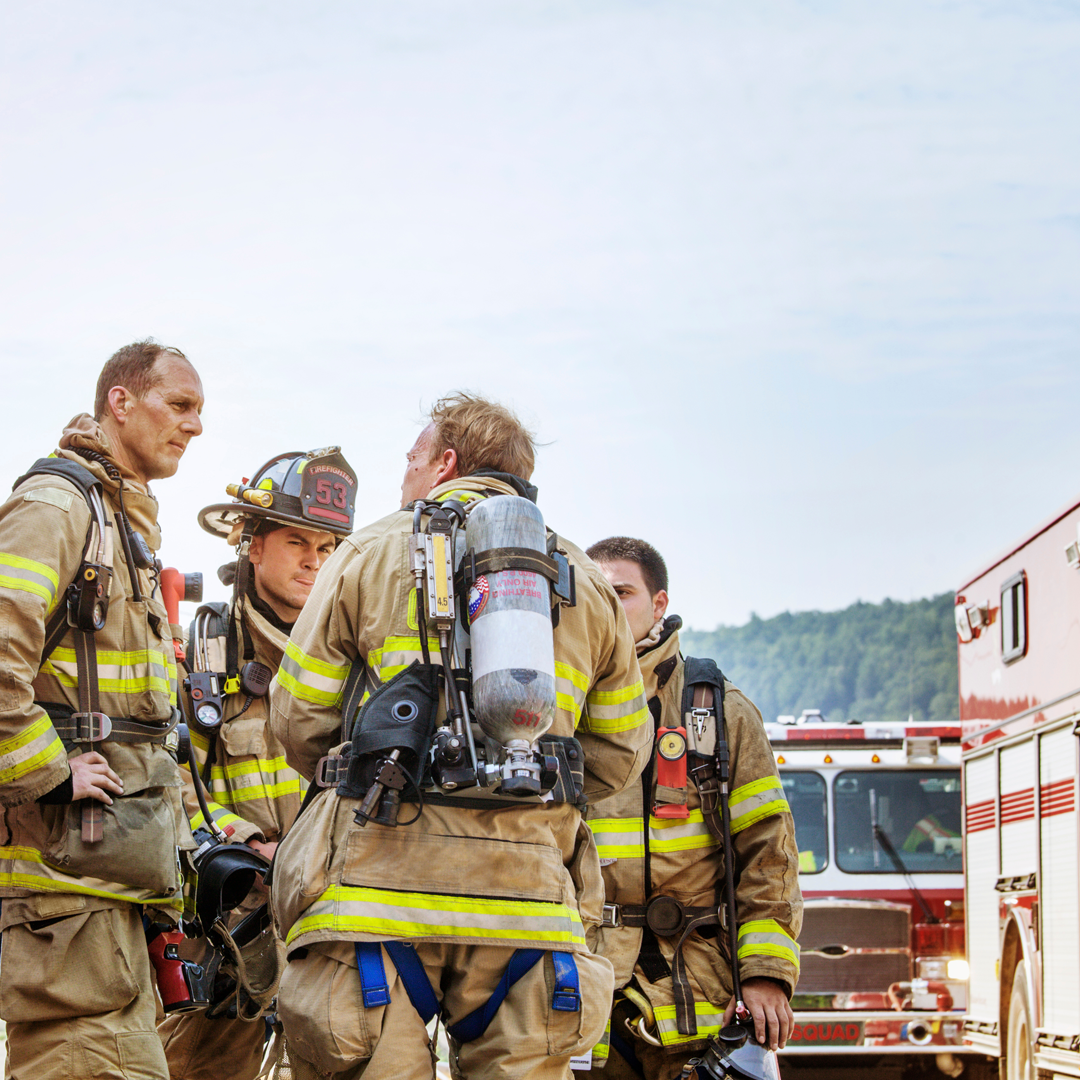
Fire departments put soaked turnout coats, pants, hoods, and boots back on before they ever get a chance to air dry. EMS, hazmat, and water rescue teams cycle suits and PPE through the same bay with the same problem. Government and commercial facilities that issue protective gear to crews, from public works to industrial response teams, need a drying process that works for every shift, not just the one that happens to have time.
Why Wet Turnout Gear Is a Problem, Not a Nuisance
Wet gear provides less thermal protection and breaks down faster. Moisture trapped in liners and layers conducts heat away from the body instead of insulating it, and gear that stays damp between calls wears out sooner than gear that dries fully. We covered the safety and budget case in our look at why fire stations can't afford wet gear. This post is about the next question: which type of dryer fits your department.
Mobile Unit or Drying Cabinet: Which Fits Your Station?
The 5-Set Mobile Drying Unit is built for flexibility. It's NFPA-compliant, rolls on 360-degree swivel casters with brakes, and dries turnout gear along with boots, gloves, PPE, and dive suits. Move it to the bay after a structure fire, park it in a hallway during a water rescue training, or share it between two stations.
The Turnout Gear PPE Drying Cabinet is the fixed-location option. It holds 6 sets of gear, meets NFPA 1851 requirements, and gives you 5 temperature settings with a programmable timer, so you can match the drying cycle to the gear and the shift schedule instead of guessing.
What the Standard Says About Care
NFPA 1851 sets minimum requirements for the selection, care, and maintenance of structural firefighting protective ensembles. NFPA has since consolidated it into NFPA 1850, so check which edition your authority having jurisdiction follows.
What to Check Before You Buy
Capacity per shift. Count how many sets get wet on a typical busy day, not an average one. Temperature control. High, uncontrolled heat degrades protective materials, so controlled settings matter more than raw drying speed. Floor space and mobility. A rolling unit solves tight bays; a cabinet suits a dedicated gear room. Maintenance. Ask what parts are proprietary. Alpine builds with off-the-shelf components, so a failed part doesn't mean a dead unit years from now. Our Gear Room Setup Guide walks through ventilation, electrical, and layout planning for firehouses and commercial spaces.
Plan Around Your Shift, Not Just Your Square Footage
After a working fire, every set that came off the line needs to be ready before the next alarm, which can be hours away. On a slow week, the same unit sits mostly idle and still has to be easy to use. A system with a programmable timer and clear temperature settings lets any member start a cycle correctly without a training session. That consistency is what keeps a process repeatable across career and volunteer crews alike.
Best for: fire departments, EMS and hazmat units, water rescue teams, and government or commercial facilities that issue protective gear to multiple crews and need a repeatable drying process.
Skip it if: you only need to dry boots and gloves at a small station. A standard Alpine locker dryer handles those without the cost of a full turnout gear system.
Frequently Asked Questions
What is a turnout gear dryer?
A turnout gear dryer is a drying system designed for firefighter structural PPE, including coats, pants, hoods, boots, and gloves. It moves controlled airflow through gear so liners dry fully between calls.
How do you dry turnout gear between calls?
Follow your gear manufacturer's care instructions, then dry the gear fully on a dedicated system with controlled temperature and airflow. Air drying on a rack is often too slow when crews turn around in hours.
Is the Alpine turnout gear dryer NFPA compliant?
Alpine lists the 5-Set Mobile Drying Unit as NFPA-compliant and the PPE Drying Cabinet as NFPA 1851 compliant. Confirm requirements with your authority having jurisdiction before purchase.
How many sets of turnout gear does each unit hold?
The mobile unit dries 5 sets and the drying cabinet holds 6 sets of gear.
Can a turnout gear dryer also dry boots and gloves?
Yes. The Fire & Rescue Series dries turnout gear, boots, gloves, PPE, and dive suits, so one system covers multiple gear types.
Can EMS, hazmat, or government facilities use these dryers?
Yes. Any team that issues wet-prone protective gear can use them, including EMS, hazmat, water rescue, public works, and law enforcement units.
How do I get a quote for a department or agency purchase?
Contact Alpine Dryers directly with your gear counts and station layout, and we'll recommend a configuration and discuss quote and purchasing requirements.
Next Steps
The right turnout gear dryer is the one your crews actually use after every call. Compare both Fire & Rescue Series options above, or contact us with your gear counts and we'll point you to the right fit.
Disclaimer: This is general guidance based on our experience with gear drying. Always follow your turnout gear manufacturer's care instructions, NFPA 1851, and the requirements of your authority having jurisdiction. When in doubt, contact the gear manufacturer directly.
Related Posts and Information
overall rating:
my rating:
log in to rate