My Cart: 0 item(s)

Alpine Dryers Blog
Gear Dryers for Youth and Travel Sports: Why Summer Is the Season That Destroys Athletic Equipment
by bruce golub • July 09, 2026
We built Alpine Dryers to solve a moisture problem. Over fifty years of being in this industry, we've watched wet gear cause equipment failures, skin conditions, shortened product lifespans, and a daily quality-of-life drag on athletes and the families supporting them. We think most immediately of ski boots and work gear; those are the use cases we're best known for. But the problem of wet athletic gear in summer is just as real, and in some ways more acute, because summer sports seasons are relentless. Practice every day, tournaments every weekend, gear that has to be ready at 6 AM on two hours' notice. There's no off day to let things air out.
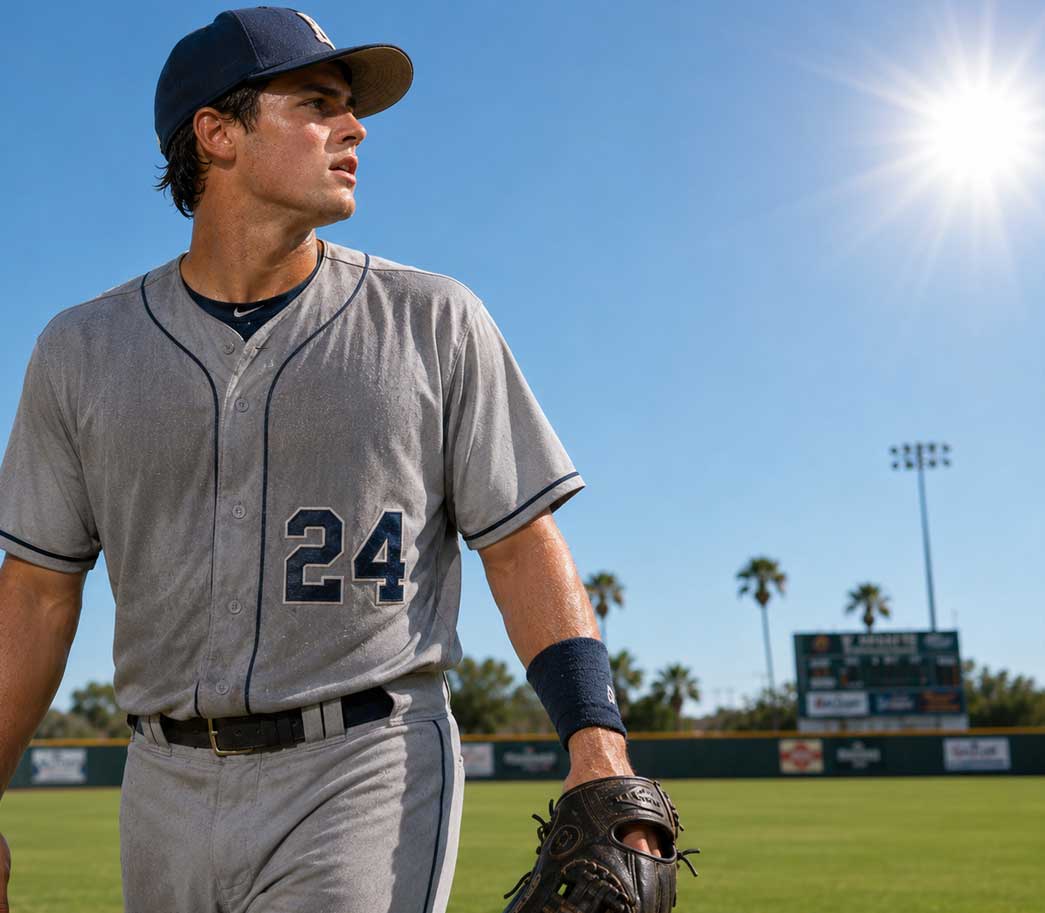
Youth travel sports in particular soccer, lacrosse, football, baseball, field hockey involve some of the most persistently wet gear of any athletic activity. Cleats worn through dew-covered grass every morning. Helmets soaked in perspiration through a two-hour practice in July heat. Shin guards and gloves that go straight from the field into a bag and don't come out until the next morning. If this is your household or your facility, you already know the smell. You know the texture of a wet cleat at 5:30 AM. And you probably know that air drying in the mudroom or on the garage floor is not actually solving the problem.
What Wet Athletic Gear Actually Does to Equipment and Athletes
The consequences of consistently damp athletic gear go beyond discomfort. Understanding what's actually happening in wet equipment helps explain why a proper drying solution isn't a luxury for serious athletes it's basic equipment maintenance.
- Bacterial and fungal growth. Warm, moist environments inside cleats, helmets, and gloves are ideal conditions for bacteria and fungi to establish themselves within hours of a practice session. Athlete's foot, skin irritation, and persistent odor are all downstream consequences of gear that doesn't dry properly between uses. For athletes practicing or playing daily in summer heat, this cycle compounds quickly.
- Accelerated material breakdown. Moisture degrades adhesives, breaks down foam padding, softens leather, and causes synthetic fabrics to lose their structural integrity faster than normal wear would. A quality pair of soccer cleats or lacrosse gloves that should last two seasons gets noticeably degraded in one when it's never fully dry between uses. For families investing $150 to $300 in quality footwear for a growing athlete, that premature breakdown has a real dollar cost.
- Liner compression in helmets. Helmet foam liners which are critical to impact protection absorb perspiration and hold it. Consistently damp foam compresses faster than properly dried foam, which reduces the helmet's protective performance over time. For contact sport athletes, this is a safety consideration, not just a comfort one.
- Cleat sole delamination. The adhesive bonding the sole of a cleat to the upper is moisture-sensitive. Cleats that are consistently wet between uses delaminate at the sole significantly faster than properly dried cleats. A sole that starts separating mid-season can't be reliably repaired and typically means buying a replacement pair.
What an Alpine Dryers System Can Handle for Summer Sports
One of the things we've always been proud of is how versatile our drying architecture is. Because our system uses directed blower airflow rather than passive heat, it works on virtually any gear you can hang on a port and the self-regulating heat element keeps temperatures safe for sensitive athletic materials. Here's what families and facilities are drying with our systems:
- Soccer and lacrosse cleats. Both the boot and the interior dry effectively on the standard drying ports. The blower airflow reaches the interior of the cleat and pulls moisture out of the footbed and lining, not just the exterior upper.
- Football and baseball cleats. Heavier than soccer cleats and often worn in wetter conditions, these benefit significantly from overnight drying between practices and games.
- Athletic gloves. Lacrosse, football, batting, and goalkeeper gloves all dry on the standard ports. The blower airflow reaches the interior palm and finger areas, where the air dries the leaves the longest.
- Helmets. With our optional helmet attachment accessory, football, lacrosse, baseball, and hockey helmets dry completely overnight, including the foam interior padding that holds the most moisture and is most important to maintain for protective performance.
- Shin guards and pads. Smaller protective gear, such as shin guards and elbow pads, can be hung on drying ports or arranged around the system to take advantage of the ambient airflow during a drying cycle.
- Cleated shoes and turf shoes. Youth athletes often own multiple types of footwear for different surfaces. All dry effectively on Alpine Dryers' ports.
The Right System for Home Use vs. Facility Use
We serve both the family with one or two athletes at home and the facility with twenty to forty athletes using a locker room or gear bay. The right configuration is different in each case.
For families with youth athletes: The Black Diamond Series 4-pair or 8-pair unit is the right starting point for most households. A family with two or three athletes in different sports can run the 4-pair overnight and have cleats, gloves, and accessories dry by morning. The 8-pair suits larger families or households where multiple sports and gear types need to cycle through the system regularly. Both models wall-mount in a mudroom, garage, or gear room and run on a standard 120V outlet.
For athletic facilities, clubs, and schools: The PRO Series is built for this use case. Starting at a 6-pair base unit and scaling modularly to 12, 18, and 24 pairs, the PRO Series can be configured for a youth sports facility's actual roster size and gear volume. Critically, each expansion unit includes its own blowers so a 24-pair installation performs at exactly the same level per port as a 6-pair unit. No degradation in drying performance as you scale up. For larger installations or facilities evaluating multiple units across different spaces, contact us directly at 800-340-1528 to discuss the right configuration for your space.
The full PRO Series lineup with current configurations and pricing is available on our Alpine Dryers PRO product page.
Why Summer Travel Tournament Schedules Make This More Urgent
Regular season youth sports give athletes at least a day between most practices. Travel tournament weekends don't. A travel soccer or lacrosse tournament typically means two to four games over Saturday and Sunday, with gear that goes from Saturday afternoon games back into a bag and has to be game-ready again Sunday morning. Air drying in a hotel room or a tournament facility bag check is not going to accomplish that. Athletes who don't have a reliable drying solution at home head into the second day of a tournament in gear that's still wet from the day before.
For families who travel with their athlete regularly, the investment in a proper home drying system, combined with the habit of running their gear through it the moment they get home, means cleats and gloves are always ready for the next session, regardless of how quickly that next session arrives. Over a full travel season, that reliability compounds into better equipment performance, fewer equipment failures, and one less operational headache for families who are already managing a complex schedule.
The Durability Case: One System, Decades of Use
We build Alpine Dryers from rust-free aluminum with a powder-coated finish and use off-the-shelf components throughout. This is a deliberate design philosophy. We want the system you install when your child is eight years old to still be running when they're in high school. The gear changes different sports, different sizes, different equipment categories but the drying system stays the same. You don't replace it. You don't upgrade it. You don't need a service contract. You need dry gear, and the system delivers it.
For families and athletic programs making equipment purchasing decisions for the long term, that durability calculus matters. Alpine Dryers is not the cheapest option on the market. It is the one you buy once.
Frequently Asked Questions: Gear Dryers for Youth and Travel Sports
Can a gear dryer dry soccer and lacrosse cleats?
Yes. Alpine Dryers systems dry cleats of all types, soccer, lacrosse, football, baseball, and turf shoes on the standard drying ports. The blower-based airflow reaches the interior of the cleat, drying the footbed and lining where moisture accumulates most heavily, not just the exterior upper.
Are gear dryers safe for athletic helmets and foam padding?
Yes, when using a system with temperature-regulated airflow. Alpine Dryers' self-regulating heat element maintains temperatures safe for helmet foam, synthetic fabrics, and glove materials. The optional helmet attachment accessory allows full helmets to be dried with directed airflow through the interior padding the area most important to dry for both hygiene and protective performance.
How long does it take to dry soccer cleats or lacrosse gloves in a gear dryer?
Most athletic footwear and gloves dry completely in 2 to 4 hours in an Alpine Dryers system. Running the system overnight on the 4 or 8-hour timer setting ensures gear is fully dry by morning regardless of how wet it was when it went on the ports. The auto shutoff timer means no supervision is required.
What size Alpine Dryer do I need for a family with youth athletes?
For most households with one to two youth athletes, the Black Diamond 4-pair unit handles cleats, gloves, and accessories for one athlete per cycle with room for extras. For families with three or more athletes or multiple sports seasons running simultaneously, the Black Diamond 8-pair provides enough capacity to dry all gear overnight without cycling.
Why does athletic gear smell bad after a season of use?
Persistent odor in athletic gear is caused by bacteria that thrive in the warm, moist environment inside cleats, gloves, and helmet liners. The bacteria feed on sweat, body oils, and organic material in the gear. Consistent drying after every use with directed airflow that completely removes moisture eliminates the conditions bacteria need to grow and prevents odor from establishing itself permanently in the material.
Does wet gear really damage cleats faster?
Yes. Moisture degrades the adhesive bonding the sole to the upper of a cleat, causing delamination significantly faster in consistently wet footwear than in properly dried footwear. Moisture also breaks down foam insoles, weakens synthetic uppers, and softens leather. Quality cleats that would last two seasons with proper drying often need replacement after one season of consistently wet storage.
Can an Alpine Dryers system be used at a youth sports facility or club?
Yes. The Alpine Dryers PRO Series is modular and scales from 6 to 24 pairs, with each expansion unit including its own blowers for consistent drying performance at every port regardless of load. Youth sports facilities, schools, and athletic clubs use PRO Series installations in locker rooms and gear bays to provide overnight drying for entire teams. Contact us at 800-340-1528 for facility configuration guidance.
What is the difference between the Alpine Dryers Black Diamond and PRO Series for sports use?
The Black Diamond Series is available in 4, 8, and 16-pair wall-mounted configurations and is designed for residential and smaller installations. The PRO Series starts at 6 pairs and scales modularly to 24, includes a self-regulating heater, and is designed for high-demand, continuous-use environments including athletic facilities, schools, and clubs. For home use with youth athletes, the Black Diamond is typically the right fit. For team or club facilities, the PRO Series is the appropriate choice.
Summer sports are relentless, and so is the moisture problem that comes with them. The families and facilities that solve it properly with a system that dries gear completely overnight, every night, without anyone having to think about it get more out of their equipment and more out of their athletes. If you're ready to solve it, we're ready to help.
Related Posts and Information
overall rating:
my rating:
log in to rate